


Authored by Sara Bailey, our long-standing collaborator.
For new and expecting parents, especially those preparing for a newborn for the first time, the money thoughts can get loud fast. Newborn expenses show up before the baby does, and the financial challenges of parenthood can feel personal even when they’re common. Between medical bills, gear decisions, and the fear of missing something important, parenting budget concerns often arrive alongside real emotional and financial stress. Putting clear names to these pressures is the first step toward feeling steady and confident about what comes next.
Understanding Baby Budgeting and Insurance Basics
It helps to start with a simple map. Newborn budgeting means listing the recurring basics you can predict, then adding a small buffer for the surprises you cannot. For most families, essentials include diapers and wipes, feeding supplies, a safe sleep setup, clothing, and childcare planning.
Health insurance is the other half of the picture. It determines which newborn medical expenses you pay and which get discounted or covered, and the difference can be huge since childbirth costs can be extremely high without coverage. In plain terms, a claim is just the bill moving from the hospital to your insurer, then back to you as a final amount due.
Think of it like packing a hospital bag with a checklist. If you know what belongs in the budget and how the claim flows, you are less likely to be blindsided by a confusing statement. With the basics clear, keeping forms, receipts, and benefit paperwork organized becomes much easier.
Set Up a One-Folder Paperwork System for Claims and Reimbursements
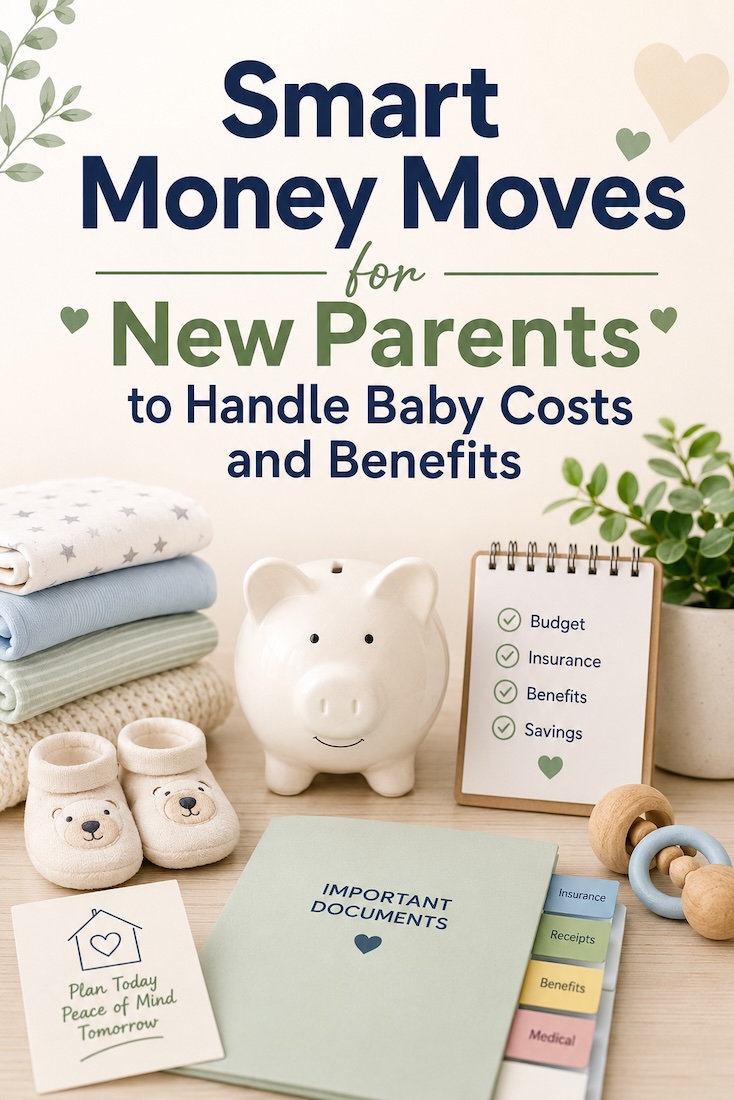
Once you understand the basics of what costs are covered and where benefits may apply, the real win is making sure the proof you need is easy to find. Keeping newborn paperwork in a single folder, insurance forms, receipts, benefit paperwork, and even your budget trackers, can take a surprising amount of pressure off your brain. When documents are together, you’re less likely to miss a deadline, forget what you paid, or lose track of what support you’re eligible for, which helps you make calmer, more informed choices about baby expenses.
Saving everything as PDFs also makes it easier to store, search, and share what you need for claims and reimbursements without chasing loose paper. And if you end up with multiple scans or downloads, a free online tool to check this out can help you add, reorder, delete, and rotate pages so related documents stay in one clean file. With the paperwork corralled, it’s much easier to focus on the next step: spending less month to month with smarter shopping moves.
Cut Your Monthly Baby Spend With 9 Smarter Shopping Moves
Those early baby purchases can feel urgent, especially at 2 a.m. when you’re tired and scrolling. The goal isn’t to “be perfect,” it’s to spend on what actually gets used and keep your receipts and claims easy to track in that one-folder system.
- Build a “Week 1” list before you buy anything else: Start with the true newborn needs prioritization list: diapers/wipes, a safe place to sleep, a few sleepers, feeding basics, and a car seat if you drive. Everything else goes on a “later” list with a date to revisit in 2–4 weeks, because a lot of spending happens before you even know your baby’s preferences. This single step usually cuts impulse purchases and makes returns simpler.
- Skip trendy gear that doesn’t solve a daily problem: If an item doesn’t reduce daily stress (sleep, feeding, diapering, getting out the door), pause. Popular add-ons can be expensive and short-lived, and some are not worth the risk, many in-bed sleepers are not safe for unsupervised sleep. Put that money toward boring basics you’ll rebuy anyway.
- Choose budget-friendly newborn essentials with “capsule quantities”: For clothing, aim for 6–8 sleepers, 6–10 onesies, and 2–3 swaddles to start, enough for messy days without overbuying sizes your baby may outgrow fast. For bath and skincare, buy one unscented option at a time; it’s cheaper than building a “shelf” that doesn’t work for your baby. A practical safety-and-savings move is to test a new skin care product by applying it to a small patch on the baby’s arm so you don’t get stuck with a full bottle you can’t use.
- Time purchases around when you’ll actually need them: Create a simple calendar: “Need by birth,” “Need by week 4,” and “Nice after 3 months.” This helps you watch for price drops and avoid paying full price during panic moments. It also keeps your one-folder paperwork tidy because fewer rush orders mean fewer scattered receipts to track.
- Use coupons and discounts like a mini routine, not a scavenger hunt: Pick two places where you buy essentials (like diapers, wipes, and formula, if used) and check their weekly offers once a week. Stack savings in this order: store sale → digital coupon → rewards credit if you have it. Take a screenshot of the final checkout page and drop it in your receipts folder so rebates, HSA/FSA-eligible items, or reimbursements don’t get missed.
- Bulk buy only when the math and the baby agree: Bulk buying benefits pay off for predictable, non-perishable items you already know you’ll use, wipes, diaper cream, laundry detergent, and your baby’s confirmed diaper brand/size. A simple rule: don’t bulk buy until you’ve used at least one regular pack with no leaks or rashes, and you can store it without clutter. For diapers, consider one “bulk box” at a time since sizes change quickly.
- Set a “pause button” for nighttime shopping: When you feel the urge to order something immediately, add it to cart and wait 24 hours unless it’s a true safety issue. If you still want it the next day, check your “later” list, compare two prices, and then buy with confidence. This tiny habit protects your budget and keeps spending aligned with benefits and insurance reimbursements you may be tracking.
Newborn Expenses and Benefits: Common Questions
Q: When should I add my newborn to health insurance?
A: Do it as soon as you can, ideally within your plan’s special enrollment window after birth. Call HR or your insurer and ask for the exact deadline, required documents, and whether coverage backdates to the birth date. Write down the call reference number and save every confirmation email in your receipts folder.
Q: What if we can’t afford the baby’s insurance premiums right now?
A: You have options, and you are not alone. Many families qualify for Medicaid and CHIP, insurance programs for low-income people, including pregnant women and children. Start by checking your state’s eligibility website or calling 211 for help with the application.
Q: How do I enroll in benefits without messing something up?
A: Make a short checklist: birth certificate or hospital record, Social Security number if required, your plan selection, and the date coverage should start. Then submit, take screenshots of the final confirmation page, and follow up until you see the baby listed on your member portal.
Q: Should I expect my job to offer paid family leave?
A: It varies widely, and only 19% of U.S. employees have access to paid family leave. Ask HR for the written policy and clarify how paid leave, PTO, short-term disability, and unpaid leave can be combined.
Q: Where can I find workplace family benefits beyond leave?
A: Look for an “All Benefits” PDF or portal section labeled family planning, caregiving, or wellbeing. Common finds include dependent care FSA, lactation support, telehealth, EAP counseling, and childcare discounts. If you cannot find it, email HR to request a benefits summary for new parents.
Q: What community support programs are worth checking first?
A: Start with 211, WIC, local diaper banks, and your hospital or pediatric clinic’s social worker list. Ask one clear question: “What programs help with diapers, formula, breastfeeding supplies, or postpartum support?” A single phone call can unlock multiple referrals.
Building Confidence With Newborn Budgeting, Benefits, and Support
When a baby is on the way, it’s easy for costs, paperwork, and benefit deadlines to feel like a second full-time job. A calmer approach is to focus on financial preparedness for newborns by applying expense management strategies, using benefits as designed, and leaning on support for new parents when the details get heavy. The payoff is simple: fewer surprise bills, clearer choices, and real confidence in newborn budgeting as plans turn into routines. A steady plan and timely benefits do more than save money; they buy peace of mind. Choose one next step today: confirm your newborn’s insurance timeline, complete a benefits form, or ask HR or a local program about the help available. That reassurance for expecting families creates the kind of stability that protects your health, your relationships, and your new start together.