


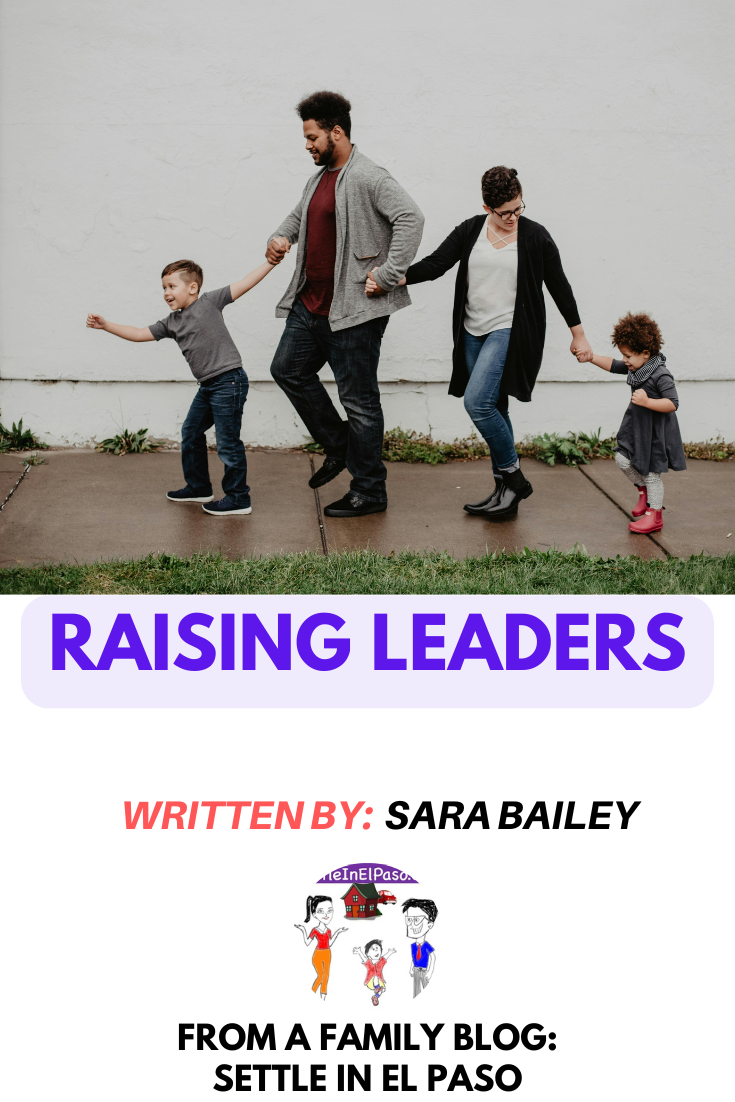
Authored by Sara Bailey, our long-standing collaborator.
Parenting is an invisible power. It happens in glances, routines, and the way you speak when no one’s listening. Children learn what matters by watching how you treat others and handle pressure. Leadership takes shape in those ordinary moments — not through grand gestures, but through steady modeling. Patience, courage, empathy, and initiative all begin at home. That’s where leadership starts: not with instruction, but with example.
Start with Values and Empathy
Kids don’t need lectures on leadership theory. They need to see you treat the cashier with kindness, even when you’re tired. They need to feel seen, listened to, and valued — not just managed. That’s where it begins. According to research on modeling kindness through leadership at home, children mirror what they witness: consistency, care, and emotional presence. Leadership rooted in empathy isn’t performative — it’s connective. Your child watches how you handle pressure, how you talk about others when they’re not in the room, and how you lead without needing credit. Every time you choose patience instead of control, you’re teaching leadership without saying a word.
Balance Career Growth and Parenting
Work and parenting aren’t separate planets. They overlap, constantly. If your child sees you stretch, focus, or bounce back at work — even if you’re tired — they learn something essential: that growth isn’t easy, and that’s okay. If you’re navigating complex roles or big decisions, let them glimpse how you think it through. This doesn’t mean oversharing. It means modeling how you carry ambition with integrity. By balancing ambition and parenting with integrity, you show your child that it’s possible to pursue excellence without leaving others behind. It also teaches them that leadership includes making room for rest, delegation, and self-respect.
Show How It’s Done
When parents pursue personal growth — especially in service-based professions — it becomes a live demonstration of how grit and grace coexist. For instance, enrolling in an online nursing degree program isn’t just about advancing a career. They’re modeling long-term vision, discipline, and care. They’re showing their kids what it means to commit to something hard — and see it through without fanfare. It sends a quiet but unmistakable message: leadership isn’t about being the loudest person in the room. It’s about aligning your actions with your values, even when no one’s applauding. That sticks with a kid longer than any lecture.
Offer Real Choice and Decision Power
It’s tempting to decide everything for your kid — the schedule, the clothes, the lunch, the weekend. It keeps things moving. But control is a trap, not a shortcut. Kids become leaders when they’re trusted to lead in small, meaningful ways. That means giving them the space to fail without punishment. It means asking what they think — and meaning it. By encouraging independent decision-making, you let your child experience consequences without shame and take on responsibility without feeling overwhelmed. Real decisions — not fake ones dressed up with training wheels — lay the groundwork for discernment, confidence, and personal accountability. Don’t just ask for their input. Act on it.
Model Leadership through Daily Acts
Children have radar for hypocrisy. They know when your words don’t match your moves. If you want to raise a leader, don’t start with a motivational speech. Start by being the kind of leader you hope they become. That might mean showing up on time, owning your mistakes, or admitting when you’re overwhelmed. These aren’t leadership hacks — they’re the real deal. Daily habits teach leadership far more effectively than instructions. When your child sees you pause before reacting, show gratitude after receiving, or step up when something’s uncomfortable, they internalize that courage looks like presence — not performance.
Use an Authoritative Approach
There’s a reason the word “authoritative” gets misunderstood — it sounds like control. But it’s not. It’s warmth plus structure. Leadership isn’t about dominating others. It’s about being firm without being rigid, kind without being permissive. In practice, this means setting clear boundaries while staying emotionally available. Parents who take an authoritative parenting style often raise children who understand limits as supportive, not punitive. These children learn how to navigate systems, speak up, and take initiative — all while respecting others. Leadership thrives in environments where discipline is guided by care, not fear. This isn’t soft. It’s strong, steady, and human.
Leadership forms in repetition. It lives in small decisions, shared responsibilities, and quiet moments of clarity. It’s shaped by how a child is heard, how they are trusted, and how they see strength used with care. The goal isn’t control — it’s character. The result isn’t a boss — it’s a human who can move others with honesty and intention. You lead by how you live, and your children are already following.
Discover insightful tips and inspiring stories on family life, parenting, and settling in El Paso by visiting Settle in El Paso today!